Discover One of Costa Rica’s Hidden Natural Treasures
A Place Where Nature Comes First
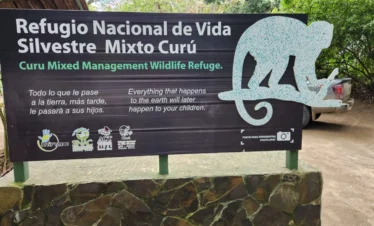
Nestled along the southeastern coast of the Nicoya Peninsula, Curú Wildlife Refuge is one of Costa Rica’s most remarkable conservation areas. Covering more than 1,500 hectares (3,700 acres) of protected land and marine ecosystems, Curú offers visitors the opportunity to experience wildlife in its natural habitat while supporting one of the country’s earliest private conservation projects.
Unlike many national parks, Curú remains a privately owned wildlife refuge that has balanced conservation, sustainable agriculture, and ecotourism for decades.
Today, it is considered one of the best places on the Nicoya Peninsula to observe wildlife, hike through tropical forests, and enjoy the peaceful beauty of Costa Rica’s Pacific coast
The History of Curú
Curú was established in 1933 by the Schutt family, who purchased the property for farming and livestock.
As the years passed, the family recognized the incredible biodiversity of the area and made the decision to protect much of the land instead of expanding agricultural activities.
Long before ecotourism became popular in Costa Rica, Curú had already embraced the idea that nature conservation and responsible tourism could work together.
Today, the refuge serves as an excellent example of how private landowners can play an important role in protecting wildlife and natural habitats.
Five Ecosystems in One Refuge
One of the reasons Curú is so biologically rich is the variety of ecosystems found within its boundaries.
Visitors can explore:
Tropical Dry Forest
One of the most endangered ecosystems in Central America, home to many mammals, reptiles, and birds.
Mangrove Forests
Mangroves provide shelter for juvenile fish, crabs, birds, and many marine species while protecting the coastline from erosion.
Tropical Humid Forest
A greener environment where larger trees create ideal habitats for monkeys, birds, insects, and other wildlife.
Coastal Areas
Beautiful beaches and rocky shorelines attract seabirds and offer spectacular views across the Gulf of Nicoya.
Marine Ecosystems
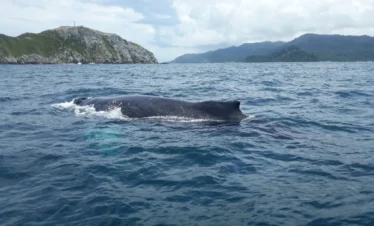
The surrounding waters support dolphins, rays, sea turtles, tropical fish, and countless marine organisms.
Wildlife You May Encounter
Curú is one of the best wildlife viewing destinations on the Nicoya Peninsula.
Although wildlife sightings are never guaranteed, visitors frequently observe:
Mammals
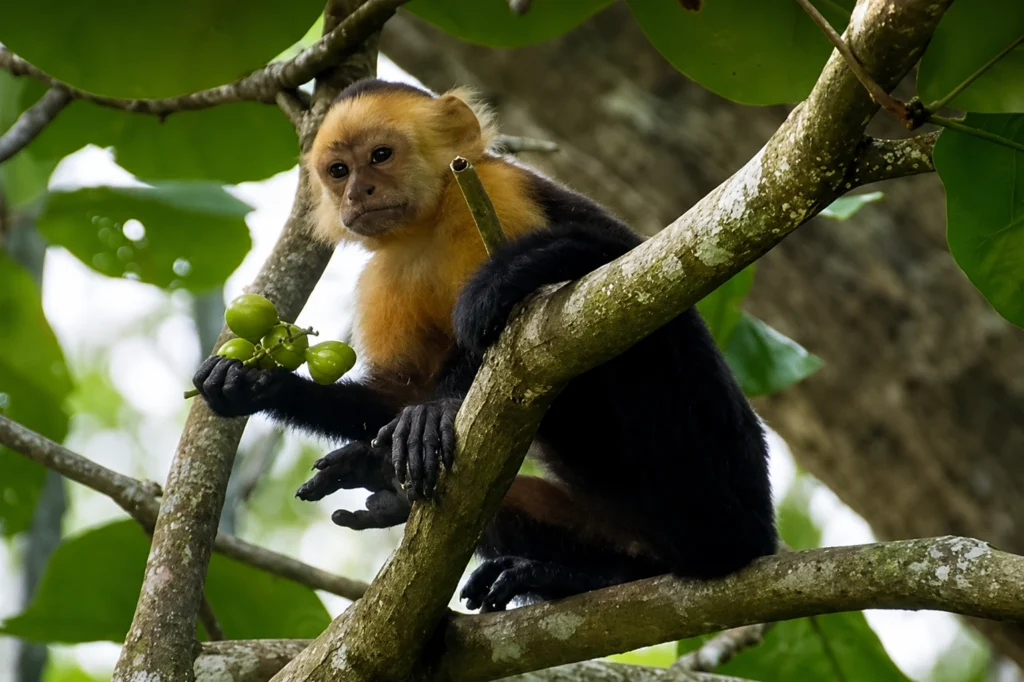
White-faced Capuchin Monkeys
Mantled Howler Monkeys
Spider Monkeys
White-tailed Deer
Coatis
Agoutis
Raccoons
Birds
More than 230 bird species have been recorded in Curú.
Some of the most popular include:
Scarlet Macaws
Brown Pelicans
Turquoise-browed Motmots
Herons
Hawks
Hummingbirds
Kingfishers
Curú is also an excellent destination for birdwatchers and photographers.
Reptiles
Visitors may also encounter:
Green Iguanas
Basilisk Lizards
Boa Constrictors
Various snake species
American Crocodiles (mainly near mangrove areas)
Hiking Trails
Curú features several well-maintained trails that allow visitors to experience different habitats.
Some trails pass through dense forests where monkeys and birds are commonly seen, while others lead to scenic viewpoints overlooking the Gulf of Nicoya.
The trails vary in length and difficulty, making Curú suitable for both casual visitors and experienced hikers.
Good walking shoes, water, sunscreen, and insect repellent are highly recommended.
More Than Just Wildlife
Many visitors come to Curú hoping to see monkeys, but the refuge offers much more.
The peaceful atmosphere, mature forests, mangroves, beaches, and incredible biodiversity make it an ideal destination for anyone who appreciates nature.
Because visitor numbers are generally lower than in some of Costa Rica’s larger national parks, Curú provides a quieter and more intimate experience.
Why Curú Is Important for Conservation
Curú demonstrates that conservation is not limited to national parks.
Private conservation areas like Curú play a vital role in protecting wildlife corridors, restoring forests, and preserving habitats that many species depend on.
Its long-term commitment to sustainable land management has helped maintain healthy ecosystems that benefit both wildlife and local communities.
Tips for Your Visit
To make the most of your visit, consider the following recommendations:
Wear comfortable hiking shoes.
Bring plenty of water.
Apply sunscreen and insect repellent.
Carry binoculars if you enjoy birdwatching.
Walk quietly to increase your chances of seeing wildlife.
Respect all marked trails and avoid feeding animals.
Remember that wildlife is completely wild, and every visit is unique.
Frequently Asked Questions
Is Curú a National Park?
No. Curú is a privately owned wildlife refuge dedicated to conservation and sustainable tourism.
How long should I plan for my visit?
Most visitors spend between 3 and 5 hours, depending on the trails they choose and the amount of wildlife they observe.
Is Curú suitable for children?
Yes. Families often enjoy visiting Curú, especially children interested in wildlife and nature.
Can I see monkeys?
Monkeys are commonly observed, but wildlife sightings can never be guaranteed since the animals roam freely.
What is the best time to visit?
Curú is beautiful throughout the year. Early morning generally offers cooler temperatures and increased wildlife activity.
Experience Curú With Local Guides
Exploring Curú is much more rewarding when you understand the wildlife and ecosystems around you.
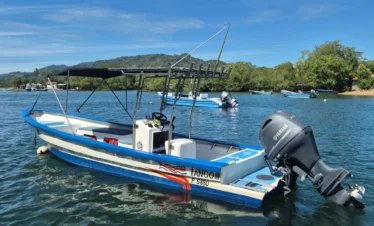
At Pochote Ocean Adventures, we offer guided experiences that combine local knowledge with a deep appreciation for the natural beauty of the Nicoya Peninsula.
Whether you’re passionate about wildlife, photography, or simply spending time in nature, Curú is a destination that deserves a place on your Costa Rica itinerary.
🌿 Did You Know?
Curú was one of the first private conservation projects in Costa Rica, helping demonstrate that protecting nature and supporting local communities can go hand in hand. Its success inspired many other private reserves throughout the country.